
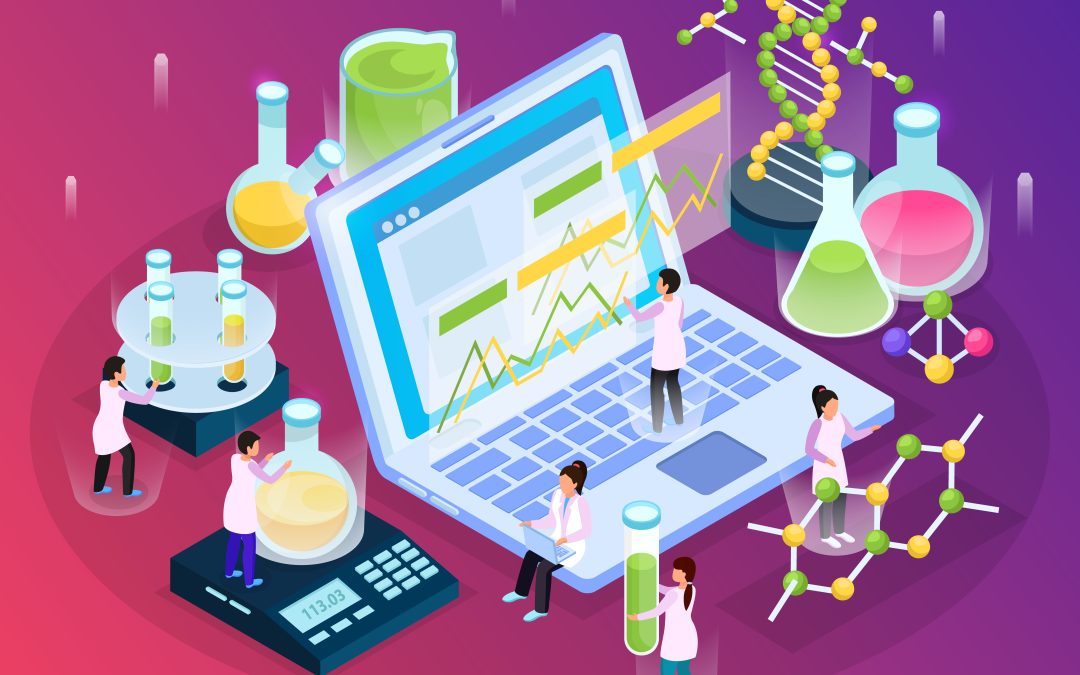
The rapid advancement of computing has transformed numerous industries, but its impact on bioinformatics and the biotechnology industry is especially profound. From decoding genetic information to accelerating drug discovery, computing plays a central role in how biological data is collected, analyzed, and applied. As the biological sciences continue to generate vast amounts of data, the integration of advanced computing technologies is not only beneficial but also essential.
This blog examines the impact of computing on bioinformatics research and innovation, exploring how it continues to shape the future of healthcare and biotechnology.
Computing in Modern Bio Industry Development
The role of computing in modern bio industry development is driving innovation across biotechnology, healthcare, and pharmaceutical research. With the rise of large-scale biological data, computing has become essential for faster analysis, improved accuracy, and efficient data management.
It supports research advancements, streamlines complex processes, and enables organizations to develop innovative solutions more effectively. As technology evolves, the role of computing in modern bio industry development continues to strengthen the future.
How Computing Transforms Bioinformatics Data Analysis
How computing transforms bioinformatics data analysis is evident in the way it enables faster processing, accurate interpretation, and efficient management of complex biological data. Computing supports the analysis of genetic information, molecular interactions, and biological patterns, helping researchers generate deeper insights and accelerate discoveries. By improving precision and streamlining data analysis, computing continues to transform bioinformatics and advance innovation in biological research.
Importance of High-Performance Computing in Genomics
The importance of high-performance computing in genomics cannot be overstated. Genomic research involves sequencing and analyzing entire genomes, which requires immense computational power.
High-performance computing systems can process billions of DNA sequences in a short time, making it possible to:
This capability has revolutionized genomics, enabling more personalized approaches to healthcare. It also supports large-scale research projects that contribute to a deeper understanding of human biology.
Computing Technologies in Precision Medicine Advancements
Precision medicine is one of the most promising developments in healthcare, and it heavily relies on computing technologies in precision medicine advancements. Precision medicine focuses on tailoring treatments based on an individual’s genetic makeup.
Computing enables the analysis of genetic data to:
This approach improves patient outcomes and minimizes side effects, making healthcare more efficient and targeted.
Integration of Computing Tools in Biological Data Processing
The integration of computing tools in biological data processing has improved efficiency, accuracy, and innovation across bioinformatics and biological research. By streamlining data management, supporting advanced analysis, and enhancing research collaboration, computing tools play a vital role in modern biological workflows. As technology continues to evolve, the integration of computing tools in biological data processing remains essential for advancing research and driving progress in the bio industry.
Future of Computing in the Bio Industry and Healthcare
Looking ahead, the future of computing in the bio industry and healthcare appears highly promising. Emerging technologies such as quantum computing, advanced AI, and cloud computing are expected to further revolutionize the field.
Future advancements in computing may lead to:
As technology continues to evolve, computing will remain at the core of innovation in bioinformatics and the bio industry.
Conclusion
The impact of computing on bioinformatics and the biotech industry continues to drive major advancements in research, healthcare, and biotechnology. From accelerating data analysis to supporting precision medicine, computing has transformed how biological challenges are understood and solved.
Through AI-driven innovation, high-performance computing, and big data applications, it is expanding possibilities across the bio industry. As technology advances, computing will continue to be essential in shaping breakthroughs, improving outcomes, and driving the future of biological science.