
Introduction
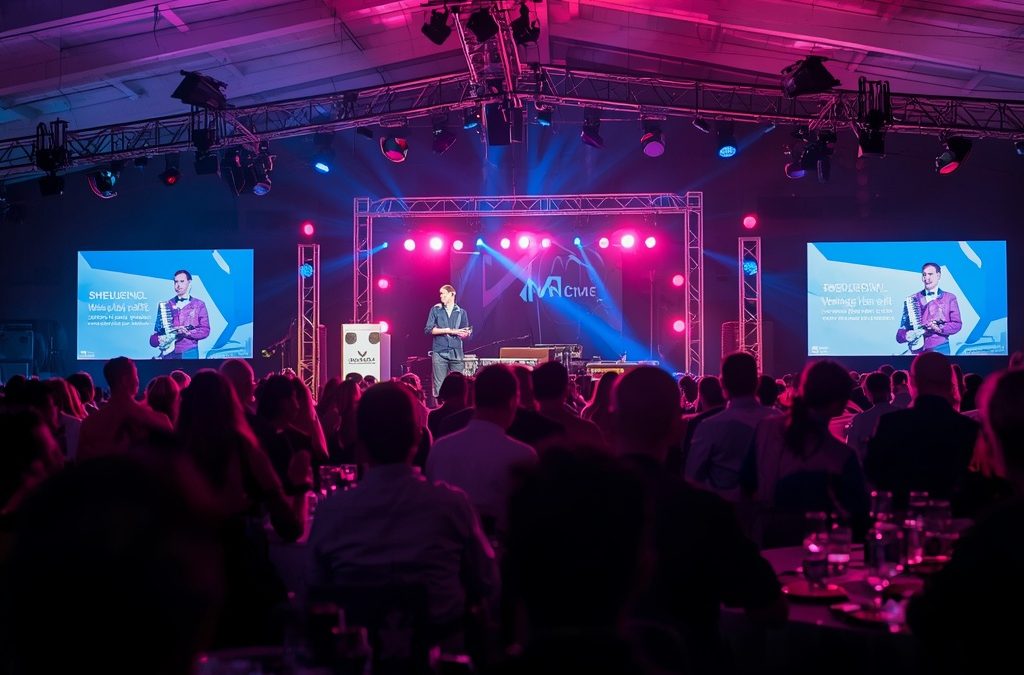
The events industry has undergone a dramatic shift, and hybrid events now dominate corporate meetings, trade shows, product launches, and educational seminars worldwide. But blending in-person and digital experiences demands more than logistics; it requires mastery of hybrid event management. Coordinators must navigate live streaming failures, schedule pivots, and venue challenges without missing a beat.
Meanwhile, seamless virtual audience engagement separates forgettable events from truly impactful ones. The professionals who thrive under pressure, adapt in real-time, and bridge the gap between physical and digital audiences aren’t just event planners; they’re the backbone of every successful hybrid experience today.
Communication Skills That Keep Operations Smooth
In the events industry, clear communication isn’t a soft skill; it’s a survival tool. Hybrid events demand precision across every touchpoint, where speakers, vendors, technical crews, and remote attendees all operate simultaneously. Mastering hybrid event communication means delivering the right information to the right people, at exactly the right moment. A missed cue or unclear instruction can unravel an entire session.
Equally, strong cross-team event coordination ensures physical and virtual audiences stay equally informed, engaged, and supported throughout. Professionals who communicate with clarity and confidence not only prevent chaos but also create seamless experiences that leave a lasting impression on every attendee.
Technical Knowledge Is Now Essential
In today’s events industry, technical confidence is no longer optional; it’s essential. Hybrid events run on streaming platforms, virtual software, audiovisual systems, and live engagement tools that demand hands-on understanding. Professionals fluent in virtual event technology can troubleshoot microphone failures, streaming delays, and screen-sharing errors without disrupting the audience experience.
During hybrid event production, that same technical agility ensures remote speakers are rehearsed, platforms are optimized, and digital audiences receive a flawless experience alongside in-room attendees. Teams that respond quickly to technical challenges don’t just fix problems; they protect the event’s credibility, energy, and overall impact from start to finish.
Time Management Helps Prevent Event Delays
In the events industry, time isn’t just money; it’s credibility. Hybrid events operate on razor-thin schedules where venue operations and virtual broadcasts must align perfectly. Professionals who master event production scheduling build detailed runsheets covering speaker arrivals, technical checks, platform testing, and contingency buffers, leaving nothing to chance.
During live hybrid event execution, every session transition, networking break, and engagement activity must flow without hesitation. A single delay can cascade across the entire program, disrupting both physical and remote audiences simultaneously. Teams that manage time with precision don’t just keep events on track; they deliver confidence, professionalism, and experiences that attendees genuinely remember.
Leadership Skills Improve Team Coordination
In the events industry, strong leadership isn’t just an advantage; it’s the foundation on which everything else is built. Hybrid events demand synchronization across venue staff, technical crews, marketing teams, moderators, and remote coordinators all at once. Exceptional hybrid event leadership entails making swift decisions under pressure, maintaining composure during disruptions, and keeping every team member focused and accountable.
Without it, even the best-planned event can unravel. Equally, effective multi-team event operations require leaders who extend their presence beyond the physical venue, ensuring virtual teams feel just as supported, informed, and empowered. Great leaders don’t just manage events; they inspire teams to deliver extraordinary ones.
Adaptability Supports Long-Term Success
The events industry doesn’t slow down, and neither can its professionals. As technology evolves and audience expectations shift, adaptability has become the defining trait of standout event teams. Mastering hybrid event adaptability means pivoting seamlessly through schedule changes, platform switches, speaker adjustments, and unexpected disruptions without losing momentum.
Professionals who embrace new tools and emerging formats stay ahead in an increasingly competitive landscape. Meanwhile, dynamic event management thrives on flexible teams that welcome change rather than resist it, experience less pressure, and deliver sharper results. In hybrid environments, the ability to adapt quickly isn’t just a career advantage; it’s an absolute necessity.
Conclusion
The events industry has been redefined by hybrid formats, and the demand for skilled professionals has never been greater. Technical agility, confident leadership, sharp communication, and precise time management are the competencies that separate good hybrid events from truly exceptional ones.
Hybrid event professionals who master these skills consistently deliver stronger attendee experiences and smoother operations. More importantly, investing in event career development today positions you for long-term success in one of the world’s most dynamic, fast-growing industries.