
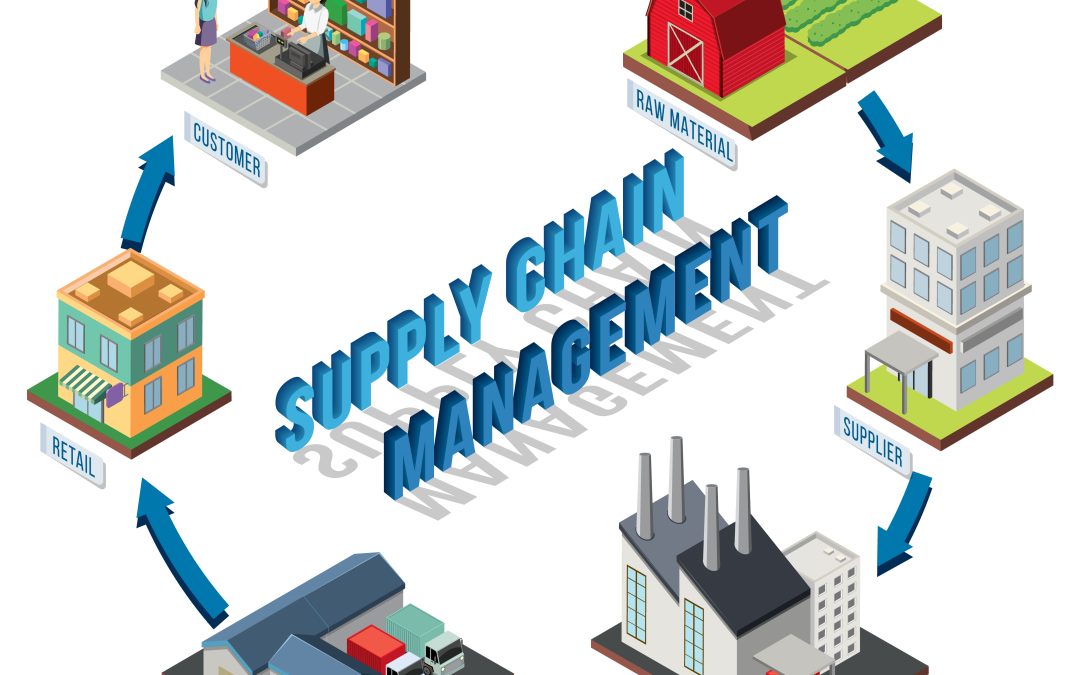
In today’s interconnected global economy, supply chains are no longer just operational backbones; they are strategic assets. From sourcing raw materials to delivering finished products to customers, every link in the chain influences cost, quality, speed, and customer satisfaction. At the center of this complex system lies business management, which guides decisions, aligns stakeholders, and ensures resilience in an unpredictable world.
Effective business management transforms supply chains from fragmented processes into integrated, value-driven networks. It brings structure, foresight, and adaptability, helping organizations navigate disruptions, embrace innovation, and maintain a competitive edge. Understanding the role of business management in strengthening supply chains is essential for organizations seeking long-term growth and stability.
Understanding Supply Chains in a Modern Business Context
A supply chain encompasses all activities involved in producing and delivering goods or services, from suppliers and manufacturers to warehouses, distributors, and end customers. Modern supply chains are global, technology-enabled, and highly dynamic. While this complexity allows businesses to scale and optimize costs, it also introduces risks such as delays, quality issues, geopolitical uncertainty, and fluctuating demand.
This is where business management plays a critical role. By setting clear objectives, defining processes, and coordinating across functions, business management ensures that supply chains operate efficiently while remaining flexible enough to respond to change.
Strategic Planning and Supply Chain Alignment
One of the primary contributions of business management to supply chain strength is strategic planning. Supply chains must align with overall business goals, whether the focus is cost leadership, customer responsiveness, sustainability, or innovation. Without strategic alignment, even well-designed supply chain processes can fall short of their potential.
Business managers assess market trends, customer expectations, and competitive pressures to develop supply chain strategies that align with organizational objectives. For example, a company prioritizing fast delivery will invest in regional warehouses and strong logistics partnerships, while a cost-focused organization may emphasize bulk sourcing and centralized distribution. Strategic business management ensures that supply chain decisions are made in a unified vision, rather than in isolation.
Process Optimization and Operational Efficiency
Efficient supply chains depend on well-defined and continuously improved processes. Business management focuses on mapping workflows, identifying bottlenecks, and standardizing operations to reduce waste and improve productivity. From procurement procedures to inventory management and order fulfillment, streamlined processes enhance reliability and performance.
Through performance metrics and key performance indicators, business management monitors supply chain efficiency and identifies areas for improvement. This structured approach helps organizations reduce lead times, minimize errors, and improve coordination across departments. Over time, consistent process optimization strengthens the supply chain’s ability to meet customer demands without unnecessary costs.
Enhancing Customer Satisfaction Through Supply Chain Excellence
Ultimately, the purpose of strengthening supply chains is to deliver value to customers. Business management ensures that supply chain performance aligns with customer expectations for quality, availability, and timely delivery. By analyzing customer feedback and demand patterns, managers adjust supply chain strategies to improve service levels.
A customer-centric approach supported by business management turns supply chains into enablers of positive experiences. Reliable delivery, consistent quality, and responsive service build trust and long-term relationships with customers.
The Future of Supply Chains and Business Management
As global markets continue to evolve, supply chains will face increasing complexity and uncertainty. The role of business management in strengthening supply chains will become even more critical. Future supply chains will rely on advanced analytics, automation, and collaborative networks, all guided by strategic leadership.
Business management will continue to balance efficiency with resilience, cost control with sustainability, and innovation with risk management. Organizations that invest in strong business management practices will be better equipped to adapt, compete, and grow in an ever-changing environment.
Conclusion
Supply chains are the lifelines of modern businesses, and their strength determines an organization’s ability to perform and compete. Business management provides the strategic direction, operational discipline, and adaptive leadership needed to build and sustain effective supply chains. By aligning strategy, optimizing processes, managing risks, leveraging technology, and nurturing relationships, business management transforms supply chains into powerful drivers of value.
In a world where disruption is inevitable, strong business management is not just a support function—it is the foundation for resilient, efficient, and future-ready supply chains.