
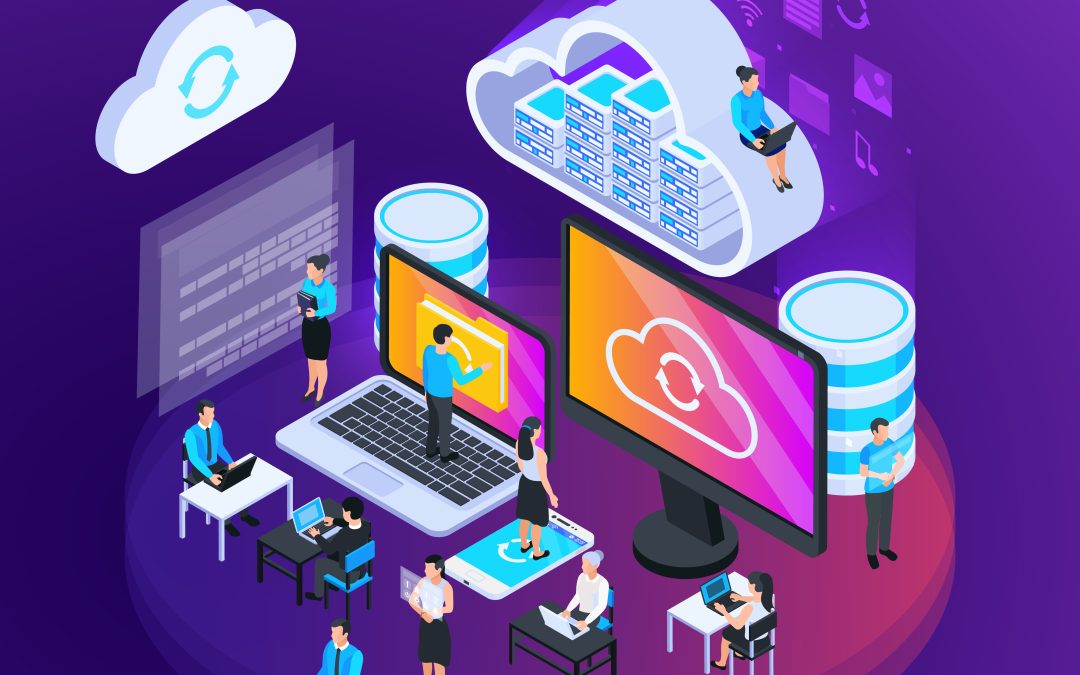
In today’s digital-first world, organizations are rapidly embracing cloud technologies to enhance scalability, efficiency, and innovation. At the core of this transformation lies computing, a powerful force that drives the evolution of cloud architecture. From enabling real-time analytics to supporting artificial intelligence, advanced computing capabilities are redefining how cloud systems are designed, deployed, and managed.
This blog explores how computing empowers modern cloud architecture, the technologies shaping its future, and the strategic advantages it offers businesses.
Understanding Cloud Architecture and Computing
Cloud architecture refers to the components and subcomponents required for cloud computing, including front-end platforms, back-end systems, cloud-based delivery, and network infrastructure. It serves as the blueprint for how cloud resources are organized and managed.
At the heart of this architecture is computing, the processing power that enables applications, data storage, and services to function efficiently. Advanced computing enhances cloud architecture by providing faster processing speeds, improved data handling, and the ability to run complex workloads seamlessly.
Benefits of Advanced Computing in Cloud Architecture
1. Scalability and Flexibility
Advanced computing enables cloud systems to scale resources up or down based on demand. This flexibility ensures optimal performance without over-provisioning resources.
2. Enhanced Performance
With powerful computing capabilities, cloud platforms can handle high workloads efficiently, reducing latency and improving application performance.
3. Cost Optimization
Cloud-based computing eliminates the need for expensive on-premise infrastructure. Organizations pay only for the resources they use, making it a cost-effective solution.
Challenges in Integrating Computing with Cloud Architecture
While computing enhances cloud architecture, it also presents certain challenges:
1. Complexity
Advanced computing systems can be complex to design and manage. Organizations needed skilled professionals to handle these technologies effectively.
2. Security Concerns
As computing power increases, so do potential security risks. Protecting data and applications in cloud environments remains a critical priority.
3. Cost Management
Although cloud computing is cost-efficient, improper resource management can lead to unexpected expenses.
4. Integration Issues
Integrating new computing technologies with existing systems can be challenging and may require significant investment.
Best Practices for Leveraging Computing in Cloud Architecture
To maximize the benefits of computing in cloud environments, organizations should adopt the following strategies:
1. Adopt a Hybrid or Multi-Cloud Approach
Using multiple cloud providers or combining on-premise and cloud systems enhances flexibility and reduces dependency on a single platform.
2. Optimize Resource Allocation
Efficient use of computing resources ensures cost savings and improved performance.
3. Prioritize Security
Implement robust security measures such as encryption, access control, and monitoring to protect cloud systems.
4. Invest in Skilled Talent
Having a team with expertise in computing and cloud technologies is essential for successful implementation.
5. Embrace Automation
Automation tools help manage computing resources efficiently and reduce manual intervention.
Future Trends in Computing and Cloud Architecture
The future of cloud architecture will be shaped by continuous advancements in computing. Some key trends include:
1. Increased Adoption of AI-Driven Cloud Systems
AI will play a larger role in managing cloud environments, optimizing performance, and predicting system failures.
2. Expansion of Edge Computing
With the growth of IoT devices, edge computing will become a critical component of cloud architecture.
3. Growth of Quantum Computing
As quantum technology matures, it will unlock new possibilities for solving complex problems.
4. Sustainable Computing
Energy-efficient computing practices will gain importance as organizations aim to reduce their environmental impact.
5. Autonomous Cloud Systems
Future cloud architectures will become self-managing, using computing intelligence to optimize operations without human intervention.
Conclusion
Advanced computing is the driving force behind the evolution of modern cloud architecture. By enabling faster processing, scalability, and intelligent decision-making, computing empowers organizations to build robust and efficient cloud systems.
As technologies like AI, edge computing, and quantum computing continue to evolve, the role of computing will become even more significant. Organizations that embrace these advancements will be better positioned to innovate, compete, and thrive in the digital era.
Ultimately, the integration of computing into cloud architecture is not just a technological shift—it is a strategic transformation that defines the future of business and digital infrastructure.